

Electric Passenger Tricycle for Commercial Transport and Local Mobility Fleets
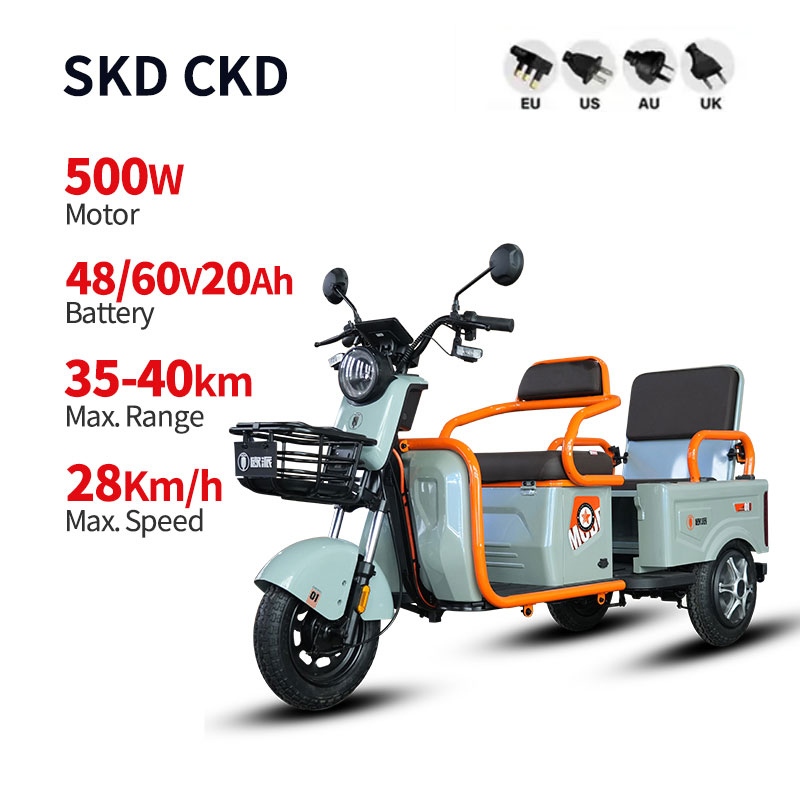
electric passenger tricycle for commercial transport should be selected by passenger capacity, route distance, gradeability, battery capacity, charging method, motor power, braking system, seat layout, canopy, lighting, color, logo, spare parts, and quantity. B2B buyers should define the route, payload, passenger or cargo requirement, daily operating hours, charging window, target market, branding needs, and order quantity before requesting a final quotation. For commercial electric vehicle procurement, the right model is not only about appearance or listed range. It must match the buyer’s real operating environment, maintenance plan, delivery schedule, and after-sales expectations.
Customer Pain Points Behind electric passenger tricycle for commercial transport
Buyers searching for electric passenger tricycle for commercial transport usually need a working fleet solution, dealer product line, or project supply plan. They are not looking for a single consumer vehicle. The common purchasing problem is incomplete specification. A buyer may ask for price first, but the supplier needs route distance, payload, operating hours, battery requirement, charging conditions, road surface, climate, and quantity before recommending the right electric vehicle.
For commercial electric vehicles, under-specification creates expensive problems. A vehicle with the wrong payload, seating, range, speed class, or braking system may create service failures after delivery. A model without the right battery, charger, spare-parts plan, or dealer documentation may also cause warranty pressure for distributors and fleet operators.
Good B2B content should help the buyer prepare a useful RFQ. It should also filter out low-quality inquiries that do not include application, quantity, destination country, customization needs, or delivery timing. Fleet operators, distributors, importers, dealer networks, and OEM/ODM buyers need repeatable specifications, documentation, spare parts, and communication that supports future orders.
Key Specifications B2B Buyers Should Confirm
For electric passenger tricycle for commercial transport, buyers should confirm passenger capacity, route distance, gradeability, battery capacity, charging method, motor power, braking system, seat layout, canopy, lighting, color, logo, spare parts, and quantity. These parameters decide whether the vehicle can support real daily use, not only whether it looks suitable in a brochure. Range should be checked together with route length, stop frequency, load, terrain, and charging schedule. Payload should be checked together with cargo box, platform structure, braking, tire specification, and frame strength.
| Buyer Need | Recommended Product | Key Specification | Why It Matters |
|---|---|---|---|
| Route fit | electric passenger tricycle | route distance, slope, road surface, turning radius | avoids selecting a vehicle that cannot complete daily work |
| Load or passenger capacity | electric passenger tricycle | payload, seating, cargo bed or box size | protects safety, comfort, and service consistency |
| Fleet uptime | commercial electric vehicle solution | battery capacity, charging time, spare parts, maintenance access | reduces downtime for delivery, patrol, resort, or factory routes |
| Brand or dealer program | OEM/ODM electric vehicle | color, logo, packaging, documentation, repeat order plan | supports distributors and private-label sales |
The buyer should also clarify whether the order is for a sample test, a pilot fleet, a distributor launch, a municipal project, a resort route, or an OEM/ODM program. A sample order may focus on function and validation. A project or dealer order also needs consistent configuration, packing photos, spare-parts planning, and production schedule control.
How Electric Passenger Tricycle Solves the Procurement Problem
A properly selected electric passenger tricycle helps B2B buyers reduce operating cost, improve route efficiency, and standardize low-speed electric transport for commercial environments. The vehicle should be matched to community transport, resort guest movement, scenic area routes, campus mobility, local shuttle service, dealer inventory programs, and private-road passenger movement. It should also support the buyer’s local service model, operator training, charging plan, and replacement-parts strategy.
The practical selection process starts with the application. Define who will use the vehicle, what it carries, how far it travels each day, where it charges, and what operating conditions it faces. Then compare the vehicle platform, battery, motor, brake system, frame, tires, lighting, cabin or canopy, cargo structure, and optional accessories. Finally, confirm quantity, branding, packing, inspection, and delivery schedule before production.
This approach protects buyers from choosing by price alone. It also gives the supplier enough information to recommend a stable configuration. For export buyers, the details matter even more because wrong configurations discovered after shipment can lead to service delays, customer complaints, or costly replacement work.
Best For / Suitable For / Not Suitable For
Best for: local mobility operators, resorts, communities, campuses, tourist routes, regional dealers, and distributors sourcing passenger electric tricycles in batches.
Suitable for: B2B buyers who need batch supply, sample approval, dealer support, OEM color or logo, route-based configuration, spare parts, and export packing. The product can support community transport, resort guest movement, scenic area routes, campus mobility, local shuttle service, dealer inventory programs, and private-road passenger movement when the specification is matched to the operating environment.
Not suitable for: personal leisure buyers, road-legal passenger car inquiries, high-speed transport, or buyers who cannot provide route conditions, passenger capacity, and fleet quantity.
Application Scenarios
A local mobility operator may need compact passenger vehicles for short routes with frequent stops. Seat capacity, weather protection, turning radius, range, and service access affect rider experience.
In this scenario, the buyer should not choose only by vehicle name. The correct decision depends on route, load, daily working hours, operator comfort, battery and charging plan, maintenance access, safety equipment, and local delivery expectations. If the buyer sends route photos, payload target, quantity, and required accessories, the supplier can respond with a more accurate recommendation.
Quality Control and Customization
Quality control should cover frame welding, battery pack inspection, controller matching, motor performance, brake testing, tire and suspension checks, lighting, wiring, charger compatibility, road test, packing inspection, and pre-shipment photos. B2B buyers should ask how the supplier checks consistency between sample approval and batch production.
Customization should be discussed before quotation. Common options include body color, logo, cargo box, seat layout, canopy, door style, warning light, siren, storage box, charger type, battery capacity, tire type, local language label, spare-parts kit, and export packaging. Feasibility depends on order quantity, technical limits, production schedule, and destination market requirements.
RFQ Checklist
For an accurate quotation, please provide:
- Vehicle application and target buyer type
- Route length, road condition, slope, and daily operating hours
- Payload, passenger capacity, cargo box, or platform requirement
- Battery range, charging time, and charger requirement
- Quantity for sample, pilot fleet, or bulk order
- Color, logo, packaging, labeling, or OEM/ODM requirement
- Destination country and delivery schedule
- Any documentation, spare-parts, or after-sales requirements
FAQ
What information should I provide before requesting a quote?
Please provide the application, route distance, road condition, payload or passenger requirement, daily operating hours, charging window, destination country, quantity, and customization needs. If you are buying for a dealer program or project tender, also include color, logo, documentation, spare-parts expectations, and delivery schedule.
How do I choose the right commercial electric vehicle model?
Start from the actual route and workload. Compare payload, passenger capacity, battery range, motor power, braking, tire type, turning radius, charging time, and operator comfort. Then check whether the model supports your branding, packing, spare-parts plan, and repeat order requirements.
Can this vehicle be customized for OEM or project use?
Yes. B2B customization may include color, logo, seat layout, cargo box, warning lights, canopy, battery capacity, charger type, labels, packing, and documentation. The final customization scope depends on quantity, technical feasibility, production lead time, and the destination market’s requirements.
What quality documents should fleet buyers check?
Fleet buyers should check specification sheets, battery and charger information, inspection records, road-test photos or videos when available, packing photos, spare-parts list, and production consistency notes. For repeat orders, confirm how the supplier controls changes between sample approval and batch shipment.
How long does production or delivery usually take?
Lead time depends on model availability, order quantity, battery configuration, customization, inspection, packing, and shipping route. Standard configurations are usually faster, while OEM color, logo, special accessories, or project documentation need additional confirmation before production.
Internal Links
Related External Reference
For broader industry context, buyers can also review International Council on Clean Transportation. This reference is included for electric mobility market relevance while the final vehicle selection should be based on the buyer’s commercial route, payload, quantity, and service requirements.
CTA and Lead Qualification Questions
Need electric passenger tricycle for commercial transport for a B2B fleet, project, dealership, or OEM/ODM program? Send your route, payload, operating hours, battery requirement, customization needs, destination, and quantity for a technical recommendation and quotation.
Lead qualification questions:
- What is the vehicle application and operating route?
- What payload or passenger capacity do you need?
- How many vehicles do you need for sample testing and bulk order?
- What battery range and charging time are required?
- Do you need color, logo, cargo box, canopy, warning light, or other customization?
- What is the destination country and target delivery schedule?
Post time: Jun-24-2026


